Community Water Safety

Apartment & Society
Tank Cleaning Service

Complete water tank cleaning for housing societies, apartments, and commercial complexes — overhead tanks, underground sumps, and pipelines. Certified safe water for every resident.

500+
Projects Done
3–8 hrs
Avg. Service Time
100%
Food-Safe Chemicals
6 Types
Tanks Covered
Apartment and Society Tank Cleaning

Apartment & Society Tank Cleaning — A Health Protection Necessity

Apartment and society tank cleaning is the professional process of removing contaminants, sediments, algae, bacteria, viruses, rust, and harmful microorganisms from overhead tanks, underground sumps, and water pipelines in residential complexes.

Unlike small household tanks, apartment and society water systems handle thousands of litres of water daily — making professional maintenance essential for safe drinking and domestic water for every resident.

  • Overhead & underground tank deep cleaning
  • Industrial sludge and sediment extraction
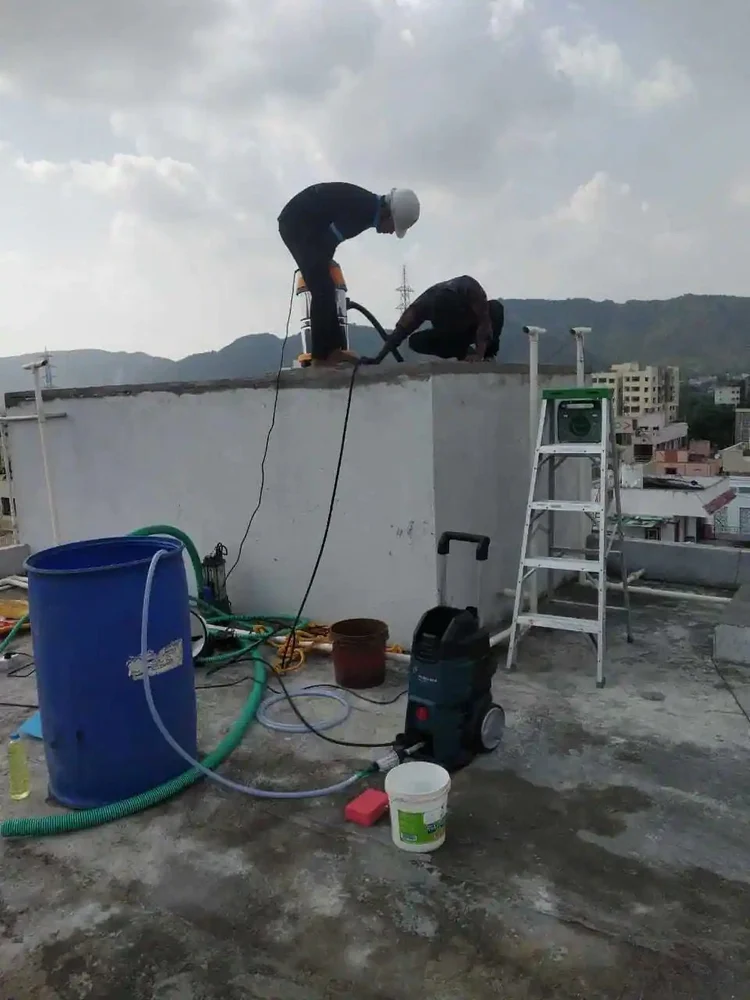
  • High-pressure hydro jet washing
  • Vacuum slurry removal — zero spillage
  • Antibacterial food-grade disinfection
  • Water quality testing & compliance certificate
Why Society Tank Cleaning Is Critically Important
What most residents and management committees overlook is the invisible danger lurking inside community water tanks.
01

Prevents Waterborne Diseases

Contaminated water leads to typhoid, cholera, dysentery, hepatitis A & E, and gastrointestinal infections — affecting entire buildings at once.

02

Protects Children & Elderly

Children and senior residents have weaker immunity and are highly vulnerable to water contamination exposure — regular cleaning significantly reduces their health risks.

03

Eliminates Foul Smell & Taste

Sludge, algae, and bacterial growth cause unpleasant odor, yellow discolouration, and bad taste. Proper cleaning restores complete water freshness and clarity.

04

Extends Infrastructure Life

Sediments and rust corrode tanks, pipes, and pumps. Routine professional cleaning prevents premature equipment failure and expensive infrastructure repairs.

05

Legal & Health Compliance

Municipal authorities recommend and often mandate periodic water tank cleaning for residential societies and commercial establishments. Stay compliant and avoid penalties.

What Accumulates in Apartment Water Tanks?
According to WHO, maintaining clean water storage is critical in high-density residential communities to prevent the spread of waterborne diseases.
🦠 Bacteria & Viruses 🍄 Fungi & Protozoa 🌿 Algae & Biofilm 🪨 Rust & Corrosion 🌑 Mud & Sludge 🪲 Insect Larvae
🤒

Typhoid & Cholera

Bacterial contamination spreads through entire residential buildings via shared water systems.

🫁

Hepatitis A & E

Viral hepatitis thrives in stagnant, contaminated community water storage tanks.

🧴

Skin Diseases & Allergies

Fungal and chemical contamination from dirty tanks causes skin rashes, itching, and allergic reactions.

🤧

Dysentery & Gastrointestinal

Frequent stomach infections, diarrhea, and vomiting — especially in children — linked to dirty tank water.

🔧

Pipeline & Pump Damage

Sludge buildup blocks pipes and damages water pumps, leading to costly emergency repairs across the complex.

Types of Water Tanks We Clean

We service all water tank types in residential and commercial complexes with specialised cleaning methods for each.

🏗️

Underground Sump Tanks

Primary supply storage
🔵

Overhead Water Tanks

Rooftop storage
🌧️

Rainwater Harvesting

Collected rainwater
🚒

Fire Safety Tanks

Emergency water reserve
💧

Drinking Water Tanks

Potable water storage
♻️

STP & Recycled Tanks

Treated water storage
Our 7-Step Professional Cleaning Process

Every apartment and society cleaning follows a scientifically designed, safety-compliant, multi-stage procedure.

1
1

Site Inspection & Water Testing

We assess tank condition, water quality levels, contamination severity, and safety requirements before planning the cleaning schedule.

2
2

Resident Communication & Drainage

Residents are informed and water supply is planned around minimal disruption. Remaining water is safely drained using high-capacity pumps.

3
3

Sludge & Sediment Removal

Manual and mechanical scraping removes all thick sludge layers, sand deposits, rust flakes, and organic waste from tank floor and walls.

4
4

High-Pressure Jet Cleaning

Industrial pressure washers eliminate algae, biofilm, embedded dirt, and microscopic contaminants from every interior surface.

5
5

Vacuum Slurry Extraction

Powerful vacuum machines remove all loosened waste material without any spillage or mess — leaving the tank completely clear.

6
6

Antibacterial Disinfection

Food-grade, eco-safe disinfectants approved for potable water systems destroy all bacteria, viruses, fungi, and protozoa completely.

7
7

Final Rinse, Refill & Certification

Freshwater rinse ensures zero chemical residue. Tank is refilled and a water quality compliance certificate is issued to the society.

How Often Should Society Tanks Be Cleaned?

Different tank types within the same complex have different cleaning requirements. Here is what experts recommend:

Tank TypeRecommended Frequency
🔵 Overhead TanksEvery 3 – 6 months
🏗️ Underground SumpsEvery 6 months
💧 Drinking Water TanksEvery 3 months
🚒 Fire Safety TanksAnnually
♻️ STP & Recycled TanksEvery 6 months
🌧️ Rainwater HarvestingEvery 6 months

If residents report bad smell, discolouration, or health issues — schedule immediate cleaning regardless of the last service date.

Benefits of Professional Society Tank Cleaning

Regular professional cleaning is an investment that pays back in health, reduced costs, and property value.

👨‍👩‍👧‍👦

Healthier Residents

Eliminating pathogens from shared water directly reduces illness, hospital visits, and medical expenses across the community.

💧

Zero Water Contamination

Certified food-grade disinfection ensures completely safe water for drinking, cooking, bathing, and all daily use.

Better Taste & Clarity

No foul odour, no discolouration — clean tanks restore the natural freshness and clarity of water for every flat.

Extended Tank & Pipeline Life

Removes corrosive sludge and rust that damage tanks and pipes, saving society significant infrastructure replacement costs.

💰

Reduced Medical Expenses

Fewer waterborne disease cases means significantly lower healthcare costs for residents and the society overall.

🏘️

Higher Property Value

Well-maintained water systems and certified hygiene compliance enhance the reputation and resale value of the property.

📋

Safety Regulation Compliance

Stay aligned with municipal and health authority requirements. Avoid penalties, notices, and regulatory complications.

Technology We Use for Superior Cleaning
We combine the latest industrial cleaning technology with trained expertise for results that manual cleaning simply cannot achieve.
🤖

Robotic Cleaning Tools

Robotic systems access confined spaces safely and deliver thorough, consistent cleaning without risk to technicians.

💦

High-Pressure Hydro Jets

Industrial water jets remove even the most stubborn biofilm, algae, and embedded contaminants from every surface.

🌀

Industrial Vacuum Systems

Heavy-duty vacuum equipment extracts all waste slurry and debris hygienically without any spillage or mess.

🧪

Food-Grade Disinfectants

Eco-safe, government-approved disinfectants eliminate 100% of microorganisms without leaving harmful residues.

📊

Digital Water Testing

On-site digital equipment tests pH, bacteria levels, and water purity — providing verifiable before-and-after data.

How to Choose the Right Tank Cleaning Company

For housing society management committees — here are the key criteria to evaluate before hiring a tank cleaning service.

📜

Certified Technicians

Ensure technicians are trained, verified, and equipped with proper safety gear and certification.

🧪

Food-Grade Chemicals

Only certified eco-safe, food-grade disinfectants approved for potable water systems should be used.

📁

Safety Documentation

Provider should offer cleaning reports, before-after photos, and water quality certificates after every job.

📋

SOP Procedures

Ensure the company follows a standard, multi-stage cleaning protocol — not a quick surface wash.

💰

Transparent Pricing

Written quote before work begins. No surprise charges or hidden fees post-service.

Verified Reviews

Check reviews from other housing societies and apartments before making your decision.

Complete Society Tank Cleaning Walkthrough

Exactly what happens from the moment our team arrives to the final quality inspection and handover.

1

Schedule Inspection & Water Test

Contact us to book a free site visit. We assess the number of tanks, sizes, contamination levels, and access requirements before confirming the cleaning schedule.

2

Inform Residents & Plan Downtime

Society management informs residents of the scheduled water shutdown window. We coordinate with the committee to plan work during the least disruptive time — typically early morning or weekends.

3

Drain Remaining Water

Water supply is isolated and all remaining water is drained using industrial pumps, ensuring no contaminated water remains before cleaning begins.

4

Remove Sludge & Sediments

Technicians manually and mechanically remove all thick sludge, rust flakes, sand deposits, and organic waste from the floor and walls of every tank.

5

Pressure Wash Tank Interior

Industrial high-pressure jets clean all internal surfaces — walls, ceiling, floor, and inlet channels — removing biofilm, algae, grease, and stubborn contaminants.

6

Vacuum Waste Material

Industrial vacuum machines extract all dislodged waste, dirty water, and slurry completely — leaving the tank clean, dry, and debris-free with zero spillage.

7

Apply Antibacterial Disinfection

Food-grade disinfectants approved for potable water systems are applied to all surfaces, eliminating all remaining bacteria, viruses, fungi, and protozoa.

8

Rinse Thoroughly

A comprehensive freshwater rinse removes every trace of cleaning agents, ensuring the tank is ready for safe water storage with absolutely zero chemical residue.

9

Refill with Clean Water

Tanks are refilled with fresh water and supply lines are reconnected, restoring normal water distribution throughout the entire residential complex.

10

Final Quality Inspection & Certificate

Post-cleaning water quality test is conducted using digital testing equipment. A hygiene compliance report with before-and-after photos and water test results is handed over to society management.

Society Tank Cleaning Cost

Pricing is customised based on your society's specific requirements. Here are the key cost factors:

🔢
Number of Tanks

Total overhead and underground tanks across the complex — societies get bundled pricing.

📐
Tank Size & Capacity

Larger capacity tanks require more time, manpower, and cleaning material.

🦠
Contamination Level

Heavy sludge, algae overgrowth, or long-overdue tanks require additional treatment cycles.

🏗️
Accessibility

Rooftop tanks, basement sumps, or confined spaces requiring safety equipment affect costs.

🏘️
Number of Apartments

Larger societies with more units and higher water consumption require more comprehensive service.

The investment in professional cleaning is minimal compared to healthcare costs and infrastructure repair expenses avoided.

Societies with Annual Maintenance Contracts (AMC) get priority scheduling, discounted rates, and automatic reminders.

Get My Free Society Quote →

* Written quote provided before work begins. No hidden charges. AMC packages available.

Frequently Asked Questions

Common questions from housing society management committees and apartment residents.

Is tank cleaning really necessary if water looks clean?
Yes — absolutely. Most harmful microorganisms like bacteria, viruses, and protozoa are completely invisible to the naked eye. Water can appear clean, clear, and odourless while still being unsafe for consumption. Only professional testing and cleaning can confirm and ensure actual water safety for your community.
How long does professional apartment tank cleaning take?
Depending on the number of tanks, their size, and contamination level, professional cleaning typically takes 3 to 8 hours for most apartment complexes. Larger societies with multiple tanks may require a full day. We always schedule work to minimise water supply interruption for residents.
Are the disinfectants safe for residents — including children?
Yes. We use only food-grade, eco-safe disinfectants certified for potable water storage systems. These chemicals are completely safe for children, elderly residents, and pets when properly applied and rinsed. They leave zero harmful residue — water is safe to use immediately after the final rinse and refill.
Will water supply be completely interrupted during cleaning?
A temporary water shutdown is required during the cleaning process. We work with society management to plan the shutdown during the least disruptive window — typically early morning or weekends. Most apartment complexes restore full water supply within the same day, often within 4–6 hours.
Can the society's maintenance staff handle tank cleaning internally?
No. DIY or maintenance staff cleaning methods are unsafe and ineffective for large residential tanks. Professional industrial equipment, certified training, proper PPE, and strict safety protocols are required — especially for underground and confined space tanks. Internal cleaning attempts can actually spread contamination and create safety hazards.
How often should a housing society schedule tank cleaning?
At least twice a year for overhead and underground tanks, and quarterly for dedicated drinking water tanks. Societies with higher water consumption, larger resident populations, or older tank infrastructure should consider more frequent cleaning. Our AMC packages include automatic scheduling and reminders so you never miss a service.
Does tank cleaning positively affect the plumbing system?
Yes — significantly. Removing sludge, rust, and sediment from tanks prevents these materials from entering pipelines where they cause blockages, reduce water pressure, damage valve seals, and corrode pipes. Regular tank cleaning is one of the most effective ways to extend the life of an entire building's plumbing infrastructure.
What happens if apartment tanks are not cleaned regularly?
Severe health risks for all residents, rampant bacterial growth, thick sludge accumulation, water discolouration and foul smell, frequent plumbing blockages, corrosion of tanks and pipes, pump failures, possible regulatory violations, and in worst cases — outbreak of waterborne illness across the entire residential community.
Do you provide a report and certificate after cleaning?
Yes. After every apartment and society tank cleaning, we provide comprehensive documentation including before-and-after photographs, water quality test results, a hygiene compliance certificate, and a detailed service report. These documents are valuable for society records, insurance requirements, and health authority compliance audits.
Is robotic cleaning better for society tanks?
Yes, in most cases. Robotic cleaning tools significantly improve cleaning efficiency, allow access to difficult or confined spaces, reduce human entry risks in underground sumps, and deliver more consistent and thorough results. Our team combines robotic tools with manual methods and industrial vacuum systems for complete, superior cleaning outcomes.
Get Your Free
Society Inspection
Fill the form and our specialist will contact you within 2 hours with a customised quote and available slots.
📞
Phone
+91 9860807360
✉️
Email
info@shaga360a.com
📍
Service Area
Pune & Satara
📅
AMC Available
Annual Maintenance Contracts
Book Society Tank Cleaning
We'll call you within 2 hours with a free quote

Thank you! Our specialist will contact you within 2 hours with a detailed quote for your society.

🏢 Apartment & Society Tank Cleaning — Pune & Satara. AMC packages available.

📞 Call Now Book Online